

Navigating your career without a plan can feel like embarking on a journey without a map. Whether you are just entering the professional world or striving to reach new heights, having a career development plan can make all the difference. But what exactly is a career development plan, and why is it so important for achieving your professional goals?
A career development plan is more than just a document; it is a strategic tool that helps you define your goals, assess your current skills, and outline the steps needed to reach your objectives. By taking a proactive approach to your career, you can gain clarity, maintain focus, and drive continuous growth in an ever-changing job market.
In this guide, we will explore what a career development plan is, why it is crucial, and how you can create one that aligns with your aspirations. Additionally, we will provide actionable steps, real-life examples, and recommended courses to help set you on the path to success.
What is a Career Development Plan?
A career development plan is a strategic guide that helps individuals define their professional goals and map out the steps needed to achieve them. It is a personalised framework that not only clarifies where you want to go in your career but also highlights the skills, experiences, and milestones required to get there.
Think of it as a compass, guiding you through your professional journey. A well-thought-out career development plan can provide clarity and focus. It ensures that you are making deliberate choices that align with your long-term aspirations rather than simply progressing without a clear direction.
For example, if your goal is to move from a junior marketing role to a senior leadership position, your career development plan could include objectives such as obtaining an SEO certification, enhancing your leadership skills through targeted workshops, and expanding your professional network. This approach helps break down a large, long-term goal into smaller, manageable steps.
Why is it Important to Have a Career Development Plan?
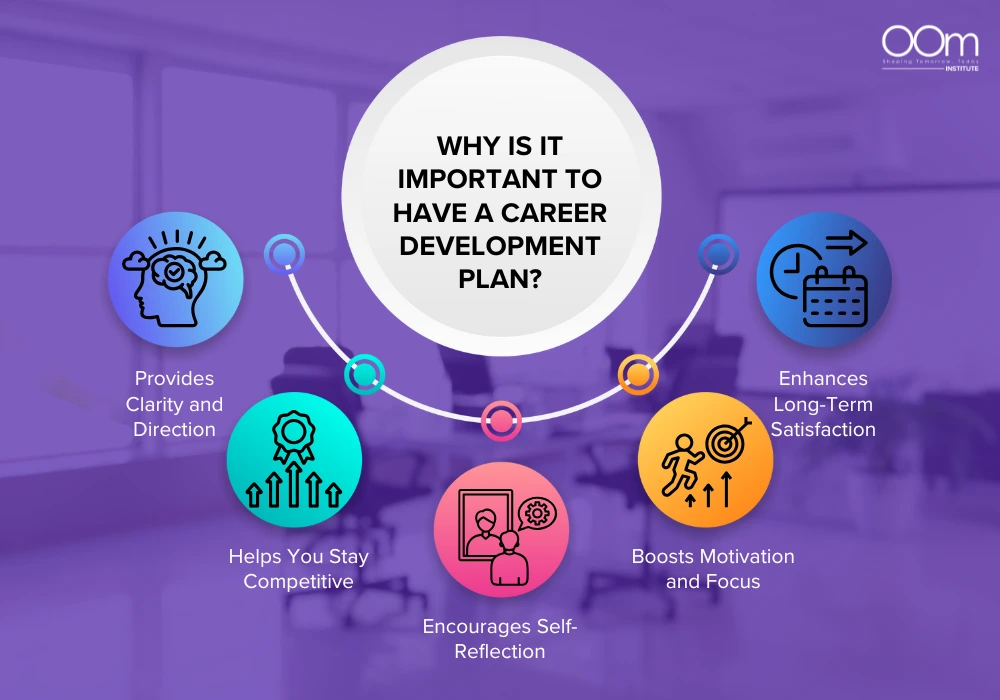
Having a career development plan is essential for anyone aiming to grow and thrive professionally. Here is why it matters:
1. Provides Clarity and Direction
A career development plan acts as your professional GPS, helping you navigate your career path with a clear purpose. Rather than making decisions at random or pursuing opportunities that do not align with your goals, you will have a structured approach to success.
2. Helps You Stay Competitive
In today’s rapidly evolving job market, staying relevant is crucial. By identifying any skill gaps and actively working to close them, a career development plan helps you remain competitive, particularly in fields like digital marketing or technology, where trends and innovations are constantly changing.
3. Encourages Self-Reflection
Developing a career development plan requires you to closely examine your strengths, weaknesses, and long-term goals. This self-reflection helps you understand your value, build confidence, and identify areas where you can grow.
4. Boosts Motivation and Focus
Setting clear, measurable goals and tracking your progress keeps you motivated. A career development plan reminds you of what you are working toward and why it matters, helping you stay focused even when challenges arise.
5. Enhances Long-Term Job Satisfaction
When you have a clear vision for your career and are actively pursuing it, you are more likely to find fulfilment in your work. Aligning your goals with your passions and strengths leads to greater satisfaction and helps reduce the risk of burnout.
Imagine you are a digital marketer in Singapore with a goal to specialise in SEO. A career development plan will guide you to enrol in relevant SEO courses, attend industry seminars, and build a portfolio of successful campaigns. These intentional steps position you for success in a competitive market.
Steps to Write a Career Development Plan
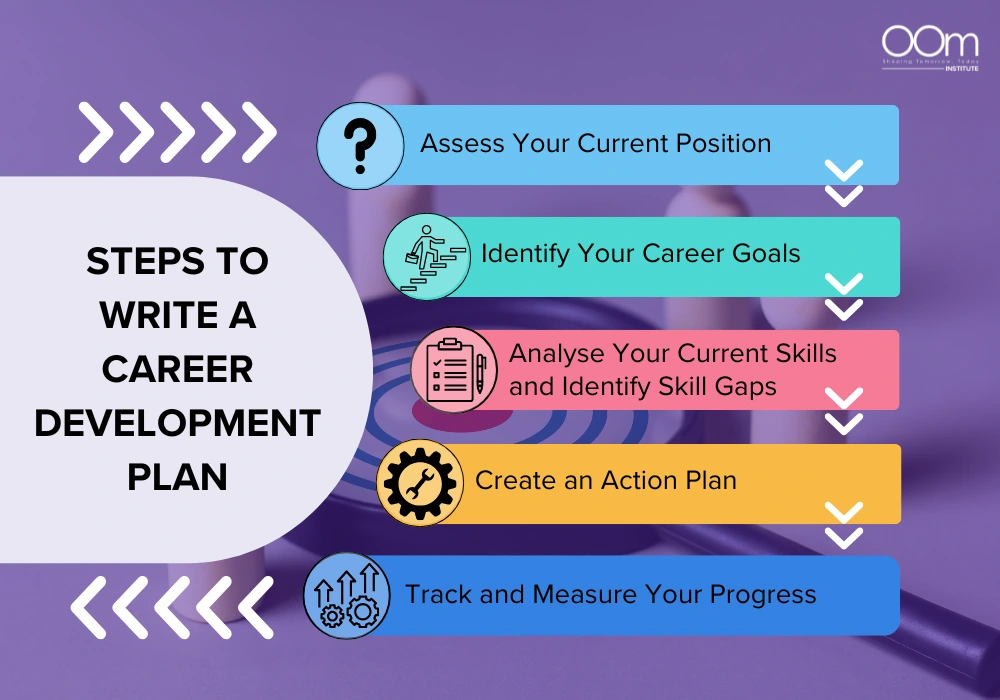
Creating a career development plan involves setting clear goals, assessing your current skills, identifying areas for improvement, and outlining actionable steps to achieve your professional aspirations. Here is a step-by-step guide to help you get started:
A. Assess Your Current Position
Start by evaluating your current standing in your career. Reflect on your current role, the skills you have, the achievements you’ve made, and the areas where you can improve.
Ask yourself:
- What responsibilities am I excelling at?
- Which tasks do I find challenging?
- Am I satisfied with my current position?
Understanding your strengths and weaknesses provides a realistic view of where you stand. For example, if you are a content writer aiming to become an SEO specialist, consider how familiar you are with SEO tools, analytics, and optimisation techniques.
B. Identify Your Career Goals
Set clear goals for both the short-term (1 to 2 years) and long-term (5+ years). These goals will help keep you focused and motivated.
Your goals should be:
- Specific: Avoid vague aspirations like “become successful.” Instead, define concrete goals, such as “secure a senior digital marketing role within the next three years.”
- Achievable: While it’s great to dream big, ensure your goals are realistic based on your current resources and time frame.
Writing down your goals serves as a constant reminder of what you want to achieve and keeps you on track.
C. Analyse Your Current Skills and Identify Skill Gaps
Compare the skills required for your ideal role with the skills you currently possess. This will help you identify any gaps you need to fill.
For example:
- If your goal is to manage an SEO team, you may need to develop leadership skills, project management abilities, or advanced SEO techniques.
- Consider enrolling in industry-specific tools, certifications, or workshops to bridge these gaps.
In places like Singapore, many professionals find that enrolling in programmes like Google Analytics certifications or SEO-focused courses can give them a competitive advantage.
D. Create an Action Plan
Now that you have your goals and know where you need to improve, it is time to create an actionable career development plan. Break your larger goals into smaller, manageable tasks.
For instance, if your goal is to transition from a marketing executive to a senior SEO strategist, your action steps might include:
- Completing an advanced SEO training course
- Attending monthly networking events in the digital marketing community
- Building a portfolio to showcase SEO projects and results
Set deadlines for each task to hold yourself accountable and stay organised.
E. Track and Measure Your Progress
Regularly review your career development plan to ensure you are staying on track. Schedule monthly or quarterly check-ins to assess what is working well and what may need adjustment.
You can measure progress in the following ways:
- Tracking completed courses or certifications
- Monitoring growth in key performance indicators at work
- Seeking feedback from mentors or colleagues.
Remember, a career development plan is not set in stone. As your goals, interests, and circumstances evolve, be flexible and adjust your strategy accordingly.
Career Development Plan Example
To make this process clearer, consider a real-life example:
• Current Position: Junior Marketing Executive
• Goal: Transition to Senior Digital Marketing Manager within three years
• Skills Gap: Advanced SEO, leadership, project management
• Action Plan:
- Complete an advanced SEO course by the end of the year
- Lead a cross-functional marketing campaign within the next six months
- Attend two digital marketing conferences annually
• Tracking:
- Monitor SEO results and project outcomes regularly
- Set quarterly meetings with a mentor for feedback on progress
Courses for Your Career Development
1. Industry-Specific Courses
These courses are designed to equip you with the technical knowledge and practical skills you need in your field. For example:
- SEO and Digital Marketing: Courses focusing on SEO strategies, Google Ads, and analytics are perfect for marketers looking to enhance their digital expertise.
- Project Management: Certifications like PMP (Project Management Professional) or Agile frameworks are ideal for professionals aiming to lead teams and manage projects more effectively.
- IT and Software Development: Coding, cloud computing, and cybersecurity programmes are invaluable for those in technology-driven roles.
2. Leadership and Management Training
If your goal is to take on a leadership role, look for courses that focus on improving your management skills. These programmes often cover areas such as:
- Conflict resolution
- Decision-making
- Team-building strategies
For instance, enrolling in leadership workshops or obtaining certifications like Certified ScrumMaster can help you build a strong foundation for managerial roles.
3. Soft Skills Development
While technical expertise is essential, strong interpersonal skills are just as important for career advancement. Consider courses that improve:
- Communication and presentation
- Time management
- Negotiation techniques
These skills are highly valued across all industries and can enhance both your confidence and effectiveness in the workplace.
4. Online Platforms and Local Institutes
Singapore offers a variety of learning opportunities tailored to professionals. You can explore:
- Online Learning Platforms: Websites such as Coursera, Udemy, and LinkedIn Learning offer the flexibility to learn at your own pace and from anywhere.
- Local Institutes: Institutions like OOm Institute or Ngee Ann Polytechnic offer career-focused programmes in areas such as digital marketing and business development.
5. Certification Programmes
Earning a recognised certification can significantly boost your credibility in competitive industries. Some popular certifications include:
- Google Analytics Certification
- HubSpot Content Marketing Certification
- Advanced Diploma in Business Management
These certifications not only demonstrate your expertise to potential employers but also help you stand out in a crowded job market.
Creating a career development plan is one of the most empowering steps you can take to achieve your professional goals. By assessing your current position, identifying your aspirations, addressing skill gaps, and staying accountable, you lay the foundation for long-term success. If you aim to master SEO, enhance your leadership skills, or explore new opportunities, a well-crafted plan serves as the key to unlocking your full potential.
If you’re ready to take the next step in your career journey, OOm Institute is here to support you. With expert-led courses and tailored training programmes, we equip professionals with the skills and knowledge needed to thrive in an ever-changing job market. Explore our range of programmes today and begin building a brighter future for your career.
Take charge of your career development today. Download our free career development plan template and turn your aspirations into reality.